A World of Edo Art

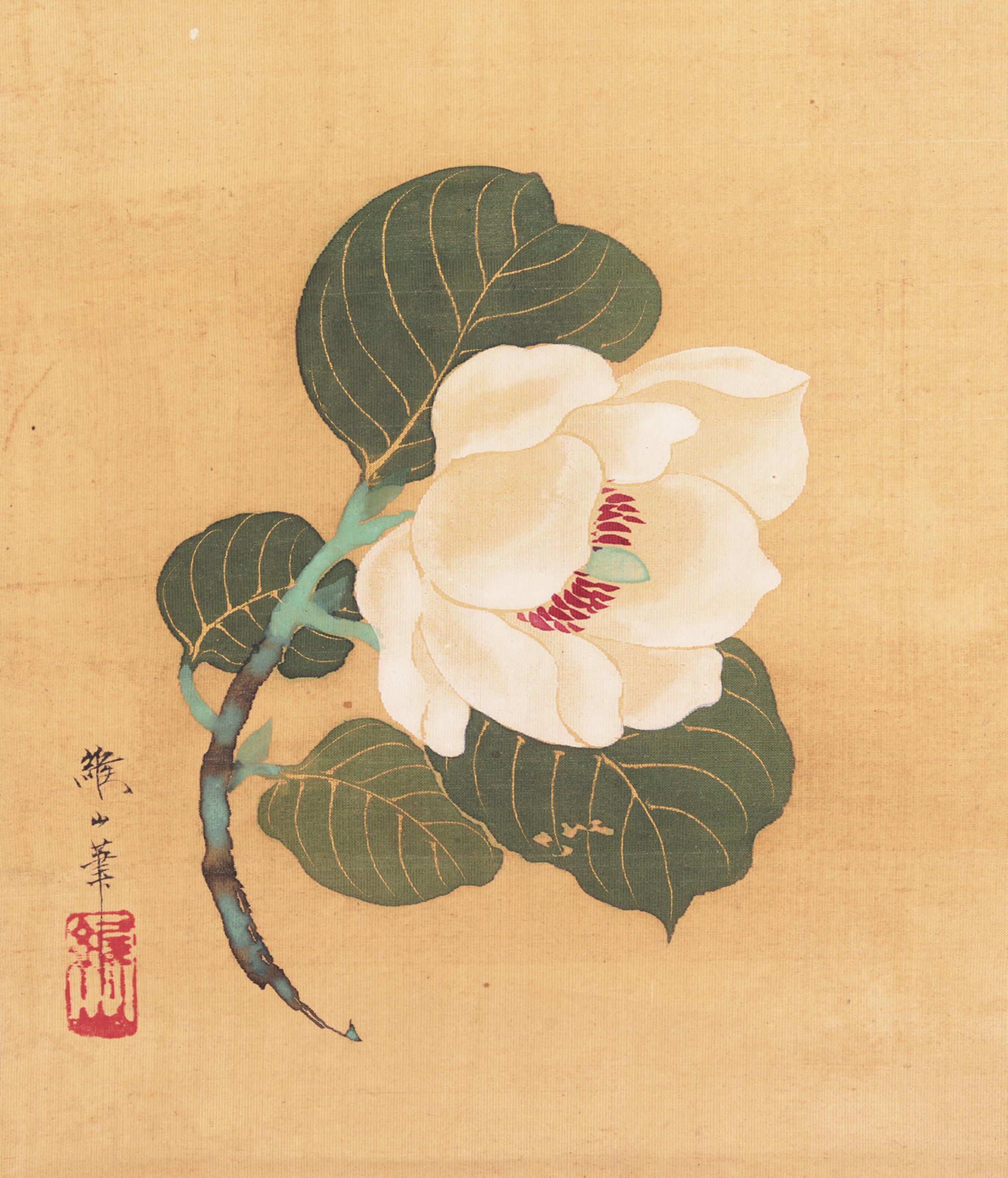
While the shogun and samurai ruled Japan in the Edo period (1603–1868), artists innovated new ways to depict the natural world as stunningly alive. Through the countless artworks they left behind, we can perceive nature as they experienced it, as an ecology of living creatures with rich inner lives, interacting with each other and their habitats. Their art, created by thousands of artists over 250 years, is a vast art historical legacy like no other. A World of Edo Art is a treasure trove of over two hundred Edo-era artworks from the collections of thirty-five museums around the world.
The artworks have been waiting centuries for you to discover them.
Edo artists perceived nature through the prism of Buddhism and Shinto animism, religions that revere the spirits that animate all of nature—not just human beings—so artists saw themselves as among nature's creatures, not above them. This perspective inspired them to portray their fellow living beings with inner lives and emotions, whether a conference of puppies, a curious fish, or an eagle with a ferocious gaze. To imbue their subjects with the nuances of subjectivity, some Edo painters practiced shasei (observing and sketching nature), opening their eyes to paint what they saw with their hearts. Viewed centuries later, Edo artists' minute observations and painstaking portrayals of ecologies stunningly alive, can be appreciated as both magnificent artworks and as detailed, precise visual records of the natural world centuries ago.